Why is this important
The development of human capital and international personnel relations is becoming an important factor in Uzbekistan’s economic competitiveness, and Rossotrudnichestvo’s activities in this direction have significantly strengthened the country’s capabilities in 2025. The agency was able to increase the number of events, expand the scale of cooperation, and increase the coverage of educational and professional opportunities for Uzbekistanis in new areas of the country’s development.
What happened
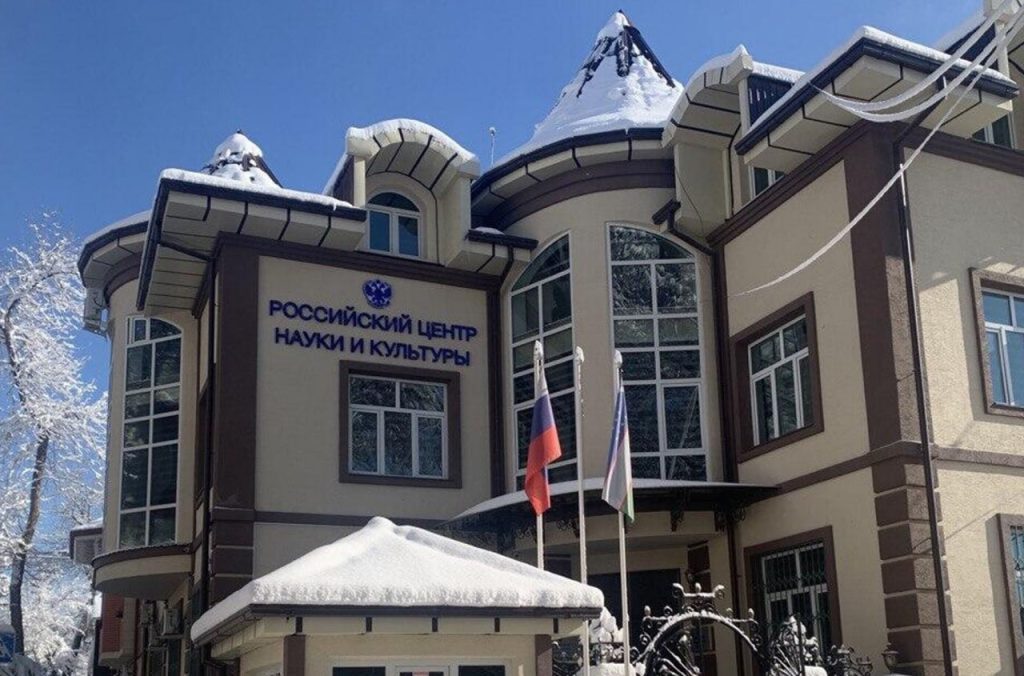
At the end of 2025, the organization’s management summarized the work for the year and shared plans for 2026. The representative office spoke about cooperation with Russian and Uzbek partners, implementation of educational initiatives, and cultural and humanitarian events. The results achieved in the work on quotas for studying in Russia and supporting educational institutions, including providing them with necessary literature and methodological materials, were also noted.
International cooperation and memorandums
During the year, Rossotrudnichestvo signed about 10 memorandums of cooperation. Among the partners is the Russian company “Motorika”, engaged in the production of children’s prostheses: the company is ready to develop and promote its activities in the country together with the representative office.
Rossotrudnichestvo also reported on cooperation with Uzbek schools and universities. Memorandums were signed with GITIS and the Education Center of Uzbekistan in the field of culture.
Events
During the year, the organization held more than 250 events, not counting participation in the work of official delegations and meetings. It is planned to continue significant projects related to the promotion of the Russian language, education, trips to the regions, and work with kindergartens, schools, and universities.
There are also areas related to compatriots in the work: work is being carried out both with the older generation and with young people. Among the planned formats are comprehensive events for significant dates, as well as the further implementation of the “Hearts of Four”, “Mission of Goodness”, “Forum of Good Deeds”, and a quiz program.
Quotas and education
The government quota for the Russian Federation is 810 places per year. This is the second year this amount has been allocated (previously 800). The acceptance of applications has been completed, their processing is ongoing. The competition remains high: the number of applications exceeds the available seats.
In terms of training, medical and engineering specialties remain popular. Also, young people show interest in creative competitions, vocational training, and participation in professional development programs. Currently, applications are being processed, after which participants must pass the examination stage.
Literature and branches
In 2025, the representative office donated more than 1,500 books of educational and fiction literature to educational institutions. In 2024, more than 4.5 thousand copies were received at the request of organizations, after which the books were addressed to partners, including within the framework of events.
An additional education center has opened at the library on the site of the Republican Resource Center. A similar center already operates at the Rossotrudnichestvo representative office. The central office plans to open a branch in Samarkand. The timeframe remains uncertain, the discussion continues. The issue of increasing the quota remains relevant and depends on the number of requests received.
Context
Uzbekistan is gaining the opportunity to expand the training of specialists in areas in demand in the country’s economy. International cooperation strengthens the presence of foreign partners in the educational environment and supports the development of modern professional competencies.
Interaction between organizations working in the fields of education, technology, and medicine is being strengthened, which contributes to the renewal of practices and the implementation of new solutions. A network of initiatives based on interstate relations is being formed in the country, and access to additional educational resources is expanding.
The comprehensiveness of the implemented programs contributes to the growth of regional involvement and a more even distribution of personnel training opportunities. Learning support infrastructure is being developed, including new materials and learning platforms. These processes form the basis for strengthening human capital and create additional prerequisites for future economic development.