Why is this important
Environmental measures directly affect public health by reducing industrial and transport emissions. The development of electric mobility and green infrastructure creates a new service sector and stimulates investment. Managed transformation of transport and greenhouse farming reduces dependence on carbon resources and shapes long-term environmental sustainability of the economy.
What happened
- The fifth priority direction is ensuring ecological balance, rational use of green energy and water resources.
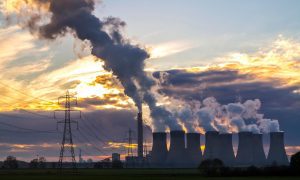
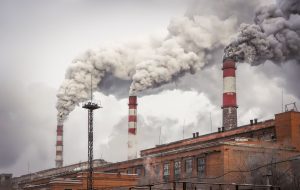
- Modernization of industrial and transport impact on the environment is planned.
- The state is introducing a system of incentives for the transition to more environmentally friendly technologies.
- The goal is to develop the infrastructure of electric vehicles and public transport.
- The greenhouse sector will be converted to centralized and cleaner heating.
Filtration and greenhouse farms
- A $100 million credit line will be opened for the installation of treatment facilities and polluting stations.
- There are about 2,000 greenhouses operating on coal and gas in Tashkent and Tashkent region.
- Greenhouses will be transferred to agricultural clusters with an area of at least 200 hectares and provided with centralized boilers.
Vehicles and emissions
- A system of environmental labels is being introduced depending on the level of emissions from vehicles.
- Restrictions on the entry of vehicles with a high level of pollution will be established in the capital and regional centers.
- A separate fund will be established to support the replacement or modernization of vehicles.
- Citizens will be compensated for part of the interest on the car loan when purchasing a new car.
- For installing filters on existing vehicles, a subsidy will be provided for part of the expenses.
- Public transport and traffic management
- The number of dedicated lanes for buses and taxis will be increased.
- Intelligent traffic lights will be implemented in Tashkent, Samarkand, and Namangan.
Context
- Reducing air pollution in cities reduces the burden on the healthcare system and improves the quality of life.
- Support for electric vehicles, public transport, and energy-efficient technologies forms a green service market and stimulates investments in environmental infrastructure.
- Financial incentives accelerate the transition of businesses and the population to a low-carbon model, making the economy more resilient to environmental risks.