Why is this important
The ecological modernization of transport and the introduction of water-saving technologies reduce the burden on the environment and increase the sustainability of cities and agriculture. The development of the electric vehicle market and charging infrastructure creates new sectors of the economy and stimulates investment. Landscaping and restoration of irrigation networks improve the quality of life of the population and strengthen the country’s food security.
What happened
- In Uzbekistan, a program to support electric mobility and develop environmental infrastructure is being implemented.
- Large-scale landscaping of the regions and creation of new green zones are planned.
- The training of environmental protection specialists will be expanded.
- Measures to conserve and manage water resources are being strengthened.
- Large projects for the reconstruction of irrigation and drainage systems are being implemented.
Electric vehicles and charging infrastructure
- 12% of car loans will be allocated for the purchase of domestically produced electric vehicles, and 16% — for imported ones.
- Loans of 10% will be provided to entrepreneurs for the construction of charging stations.
- Land for charging stations will be sold at auctions at a price twice as low.
- The cost of electricity exceeding 300 soums per 1 kWh when charging electric vehicles will be covered by the state.
- The cost of electricity exceeding 300 soums per 1 kWh when charging electric vehicles will be covered by the state.
Greening and ecosystems
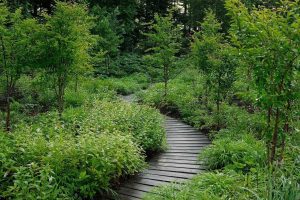
- In Surkhandarya, a green zone of 10 thousand hectares will be created.
- A 84 km green wall will be created in Syrdarya.
- In Karakalpakstan, Khorezm, Bukhara, and Navoi, 250,000 hectares of green spaces will be planted, including 115,000 hectares in the Aral Sea region.
- In each region, botanical and dendrological gardens and 20 recreational green zones will appear.
Personnel and environmental education
- 1.9 trillion soums will be allocated to the environmental sector in 2026.
- To implement environmental standards, 30,000 environmental specialists will be required within five years.
- By 2026, green technical schools will be established in each region.
- 10 thousand specialists will be trained annually for the dual system.
- The activities of the Central Asian Green University will be expanded and equipped with comprehensive laboratories.
Water resources and drainage
- 3.3 trillion soums will be allocated for water-saving technologies.
- 1,300 km of main canals will be concreted, saving 500 million cubic meters of water per year.
- Projects to transition open collectors and drainage systems to closed systems will be implemented.
- 150 km of a closed drainage system will be built in Tashkent.
- 197 km of canals and water intakes will be repaired.
- An additional 63 km of new canals will be built to improve the microclimate.
Context
- Supporting electric vehicles and infrastructure reduces transport emissions and stimulates the development of a new high-tech market.
- Greening and restoring water systems increase the drought resistance of regions and improve the ecological conditions in cities and rural areas.
- Large-scale personnel training ensures the fulfillment of environmental requirements and the development of a green economy for a long period.