Why is this important
The new tax benefits directly affect the investment attractiveness of high-tech and export-oriented industries. Reducing the tax burden creates incentives for launching new production facilities, modernizing equipment, and bringing businesses out of the shadows. For the economy as a whole, this means supporting structural changes and shifting focus towards high-value-added technologies, processing, and services.
What happened
- The leader of Uzbekistan signed a law introducing new tax benefits for a number of sectors of the economy.
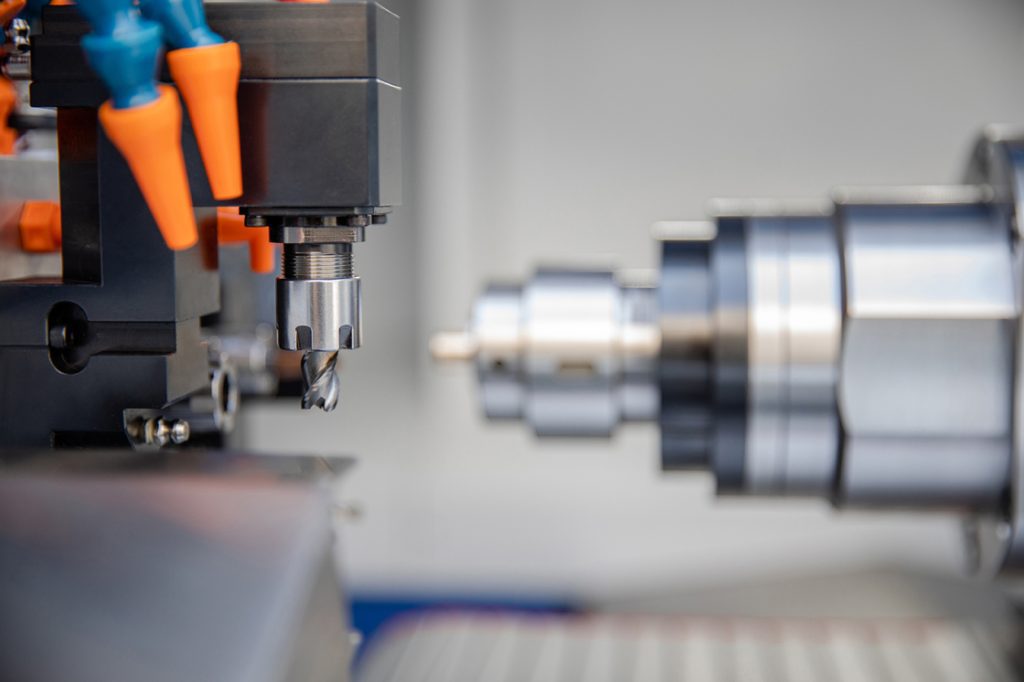
- The document provides for the abolition of profit tax on the sale of high-tech products manufactured using modern equipment.
- Also, the average annual residual value of such equipment will be excluded from the property tax calculation base.
- The list of manufacturers of high-tech products entitled to benefits will be approved by the president, and the benefits themselves will be valid for three years after the commissioning of the production complex.
Numbers and facts
- The profit tax rate on income from the sale of high-tech products is set at 0%.
- The residual value of the equipment used to produce such products is deductible from the property tax base.
- Benefits for manufacturers of high-tech products are valid for 3 years after the commissioning of production.
- For transport and forwarding services during international transportation, a zero turnover tax rate is being introduced.
- The benefit applies to the acceptance, delivery, and storage of goods, insurance, customs clearance, searching for undelivered goods, and warehousing services.
- Until January 1, 2028, the profit tax rate for sewing and knitwear, footwear, and leather enterprises will be 2%, and the social tax rate will be 1%.
- For the application of industry benefits, at least 70% of the company’s income must be generated from specialized activities and the processing of raw materials under contracts.
- The minimum wage for employees of the enterprise must be at least 2 MW, which is 2.542 million soums.
- Legal entities – residents of the Creative Park until the beginning of 2031 will pay personal income tax and social tax at rates twice lower than the current ones, while turnover tax will be levied regardless of the amount of income.
- Income of legal entities on bonds issued by mortgage refinancing and authorized organizations is exempt from income tax until 2030.
Context
- The law establishes an expanded package of tax incentives for investments in technologies, processing, and export services.
- For businesses, this means reducing the fiscal burden while adhering to clear criteria for specialized activities and salary levels.
- For the state, it is a tool for accelerating the development of priority sectors and attracting capital to long-term projects.
- Supporting high-tech industries, logistics, the creative industry, and processing industries is seen as a way to enhance the country’s competitiveness.
- The new law expands previously existing measures and establishes them for the medium term.