The Central Bank kept the interest rate at 14%, banks increased deposits, and the budget received increased revenue from digital services.
This week, money and control took center stage: regulators maintained tight monetary policy conditions, strengthened oversight of businesses and state property, and statistics showed growth in deposits, wages, and tax revenues. At the same time, the authorities expanded support tools — from protecting entrepreneurs and small businesses to legalizing labor migration and subsidizing product promotion.
Uzbeks Abroad Helped Collect $1.9 Million in Wages
Over the course of the year, the Migration Agency of Uzbekistan processed over 20,000 complaints from migrant workers. Most frequently, citizens complained about unpaid wages, confiscated documents, and job loss abroad. The agency managed to recover $1.9 million in unpaid wages for migrants. Several thousand people received assistance with employment, document recovery, and legal consultations. Over 3,700 citizens received financial support for repatriation, and 15.9 billion soums were allocated for related expenses.
The money supply in Uzbekistan increased by the end of 2025
In 2025, monetary aggregates in Uzbekistan expanded, with the broad money supply increasing from 277.1 trillion to 351.7 trillion soums. The main contribution to this growth came from deposits, primarily other deposits in the national currency, while cash grew more moderately. The soum money supply increased by 66.7 trillion soums over the year, reflecting the growing role of the national currency and the accumulation of funds within the banking system. Deposit growth significantly outpaced the growth of cash and demand deposits, forming the basis for further lending and influencing the cost of resources.
In Uzbekistan, the average salary will increase by the end of 2025
According to the results of January–December 2025, the average monthly nominal wage in Uzbekistan amounted to 6.38 million soums, an increase of 18.9% compared to the previous year. The highest wages were recorded in Tashkent and in the banking, insurance, and credit intermediary sectors, while the lowest were in healthcare and education. Over the past five years, the average salary in the country has almost doubled, from 3.2 million to 6.4 million soums. However, regional and sectoral disparities persist, and the highest growth rates were observed in the arts, entertainment, and education, albeit from a low base.
The deposit balance of banks in Uzbekistan exceeded 417 trillion soums
As of January 1, 2026, the deposit balance of commercial banks in Uzbekistan amounted to 417.3 trillion soums. The majority of these funds were held by legal entities, and the total deposit volume of banks with state participation was higher than that of other market participants. The sector continues to have a high concentration of deposits among the largest banks, while some smaller players maintain minimal deposit volumes. This structure reflects the dependence of banks’ resource bases on corporate funds and the limited funding capacity of smaller banks.
The share of the non-observed economy has decreased in Uzbekistan
In 2025, the share of the non-observed economy in Uzbekistan decreased to 19% of GDP, down from 26.4% the previous year. The informal economy amounted to 351.0 trillion soums, with the shadow sector estimated at 147 trillion soums, or 7.9% of GDP. Agriculture continues to account for the largest share of non-observed activity, while the most significant decline was recorded in the services and construction sectors. The decline in the share of the informal sector reflects increased economic transparency and the expansion of the formal sector.
The head of the State Assets Management Agency was dismissed in Uzbekistan
A large-scale audit at Uzbekneftegaz and the State Assets Management Agency revealed embezzlement and violations amounting to billions of soums. The audit, initiated at the president’s request, revealed instances of ineffective and non-transparent management of state property, including the sale of assets at undervalued prices. As a result, the agency’s director was dismissed, and law enforcement and compliance agencies were brought in to investigate. The situation points to tightened controls over state property management and the personal liability of executives.
The Business Ombudsman summarized the results of protecting entrepreneurs’ rights for 2025
In 2025, Uzbekistan summarized the results of its efforts to protect entrepreneurs’ rights, including reviewing business complaints and monitoring the activities of regulatory authorities. The Business Ombudsman received over 9,500 complaints, almost half of which resulted in the restoration of rights, the reversal of unlawful decisions, and the return of funds. A significant portion of the work was devoted to monitoring inspections: thousands of violations were identified, including illegal and procedural inspections, and administrative and procedural measures were applied. The results of the year demonstrate an expansion of genuine business protection practices, increased oversight of inspection authorities, and efforts to reduce administrative pressure.
Small businesses accounted for more than half of Uzbekistan’s GDP in 2025
By the end of 2025, small businesses retained a key role in Uzbekistan’s economy, accounting for more than half of the country’s gross domestic product. The sector comprised over 1.2 million active entities, accounting for a significant portion of industrial production, construction, trade, services, and investment. Small businesses produced a third of industrial output, completed nearly three-quarters of construction work, and accounted for over 80% of retail turnover. Small business exports exceeded $12 billion, demonstrating their sustainable contribution to economic growth and foreign trade.
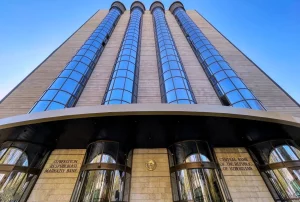
The Central Bank kept the key rate at 14%
Following its meeting on January 28, 2026, the Central Bank of Uzbekistan maintained its key interest rate at 14% per annum. This decision was made amid strong economic activity and a continued slowdown in inflation, while tight monetary conditions remained in place. Annual inflation in December 2025 fell to 7.3%, while core inflation fell to 5.7%, while inflation expectations showed a slight increase. The regulator indicated that the current policy will be maintained until sustained disinflationary trends emerge, although a future rate cut is not ruled out.
A rating of the effectiveness of government oversight bodies in working with businesses has been published
Based on the results of 2025, the Business Ombudsman published a rating of the effectiveness of government oversight bodies in relation to entrepreneurs. Regulatory agencies were divided into three categories — from “good” to “unsatisfactory” — based on inspection practices, compliance with business rights, and oversight transparency. A limited number of agencies were included in the top category, while the majority of agencies received low scores. Based on the 2025 rating, the State Tax Committee ranked last on the list, receiving 5 points, and was classified as “unsatisfactory”.
The state will cover part of the industry’s advertising expenses
On January 1, 2026, a state compensation mechanism for advertising expenses for local industrial enterprises was introduced in Uzbekistan. This compensation applies to advertising for products manufactured in the country and placed in media, digital channels, outdoor advertising, and on foreign online platforms. The state reimburses 50% to 100% of expenses, but no more than 250 million soums per year per enterprise, using funds from the Trade Promotion Fund. Decisions on compensation are made by the Chamber of Commerce and Industry, and applications are submitted online.
Legal employment in Turkey will be simplified for Uzbek citizens
Uzbekistan and Turkey have agreed on measures to improve conditions and legalize employment for Uzbek citizens residing in Turkey. The practice of legalizing Uzbek citizens without deportation has been confirmed, and starting March 1, citizens who have resided in the country for at least three years will be issued work permits for the first time. The list of professions will be compiled centrally through the Turkish employment service (İŞKUR). The agreements reached aim to expand legal employment channels and strengthen the protection of migrants’ rights.
Foreign IT companies paid 181.3 billion soums in taxes in Uzbekistan
In 2025, 78 foreign companies providing e-services in Uzbekistan paid 181.3 billion soums in taxes to the budget, a 50% increase from the previous year. Ten companies accounted for over 93% of all revenues, with Apple, Meta, and Google the largest contributors. Apple took first place in tax revenues, displacing Meta, the 2024 leader. The increase in revenue reflects the expansion of the digital services market and the growing presence of foreign IT platforms in the country’s tax system.