Why is this important
The project in Kashkadarya region adds a large solar generation and energy storage facility, which simultaneously works on the growth of electricity production and the stability of the energy system during peak demand hours. The financing structure with the participation of the EBRD and preferential sources reduces the cost of capital for the project and accelerates the launch of renewable energy infrastructure.
What happened
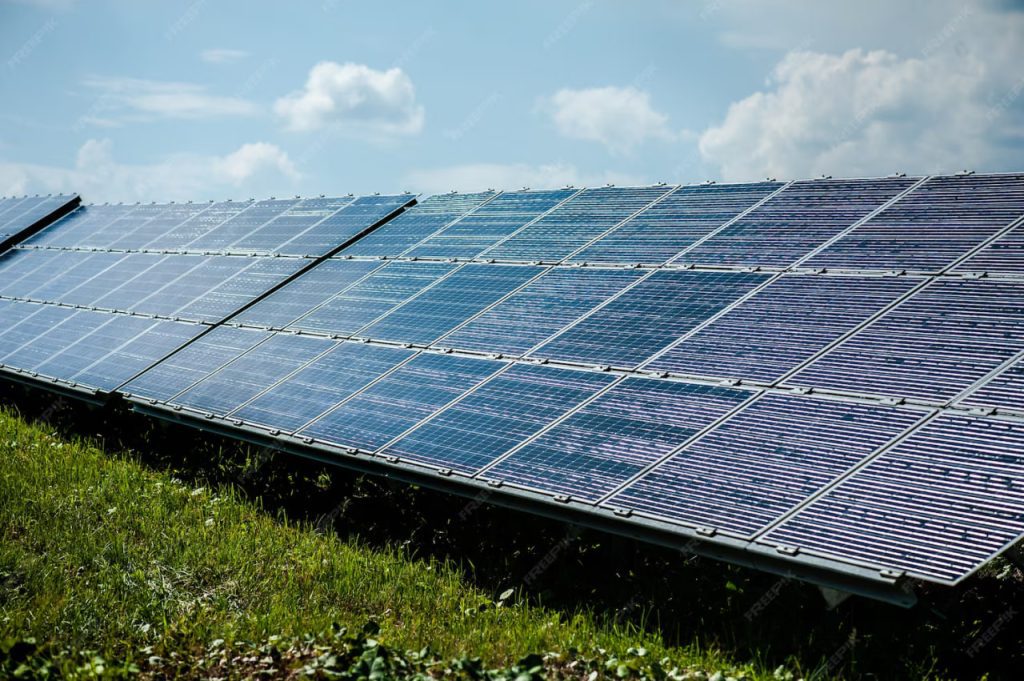
- The EBRD announced that it will finance the construction and operation of a new 300 MW solar photovoltaic power plant and a 75 MW battery storage facility in Kashkadarya region.
- The financial package includes a loan and guarantee for the Nur Kashkadarya Solar PV FE LLC project company, which is fully owned by Masdar, as well as attracting concessional financing from partners.
- The project is planned to be co-financed, including with the participation of the Asian Development Bank, and after commissioning, the facility will provide annual output and emission effects.
Numbers and facts
- The EBRD will allocate up to $195.5 million for the construction and operation of a 300 MW solar photovoltaic station and a 75 MW battery storage facility in the Kashkadarya region.
- The financial package includes a $141.6 million EBRD loan and a $25 million guarantee provided by Nur Kashkadarya Solar PV FE LLC, fully owned by Masdar.
- The EBRD is mobilizing concessional financing of up to $20 million through the Canadian government and $5 million through the Finnish government as part of the HIPCA fund.
- In addition, the project will receive concessional financing of up to $3.9 million through the Japan-EBRD Cooperation Fund and from the EBRD itself.
- The project is expected to be co-financed by the Asian Development Bank.
- The project is linked to the government’s renewable energy development plan, which provides for the creation of solar and wind energy sources with a total capacity of 25 GW by 2030.
- Upon completion of construction, the plant will generate 664 GW of electricity per year, which is reported to be enough to supply 60,000 homes with electricity: the expected annual reduction in CO2 emissions will be 400,000 tons.
- The stability of the power system will be maintained by implementing a 75 MW/75 MW-hour BESS, designed to increase the reliability and flexibility of the system and provide power during peak demand periods.
Context
- Launching a 300 MW solar power plant in conjunction with a storage device increases the project’s value for the power system: in addition to “clean” generation, a tool for smoothing peaks and maintaining network reliability is emerging.
- For the energy sector, this means the expansion of the renewable energy portfolio not only by installed capacity but also by manageability, which is important with an increase in the share of variable generation.
- The participation of the EBRD and preferential financing sources creates a more stable financial structure for the project and reduces the risk of delays in the investment cycle.