Why is this important
The development of education, healthcare, and sports infrastructure directly affects the quality of human capital and the long-term sustainability of the economy. Financing the construction and repair of social facilities determines the accessibility of basic services for the population and reduces the burden on regional budgets. The creation of a separate fund allows for the centralization of resources and improves the manageability of social sphere expenditures.
What happened
- The President of Uzbekistan adopted a resolution “On Measures to Ensure the Sustainable Development of the Education, Healthcare, and Sports Systems”.
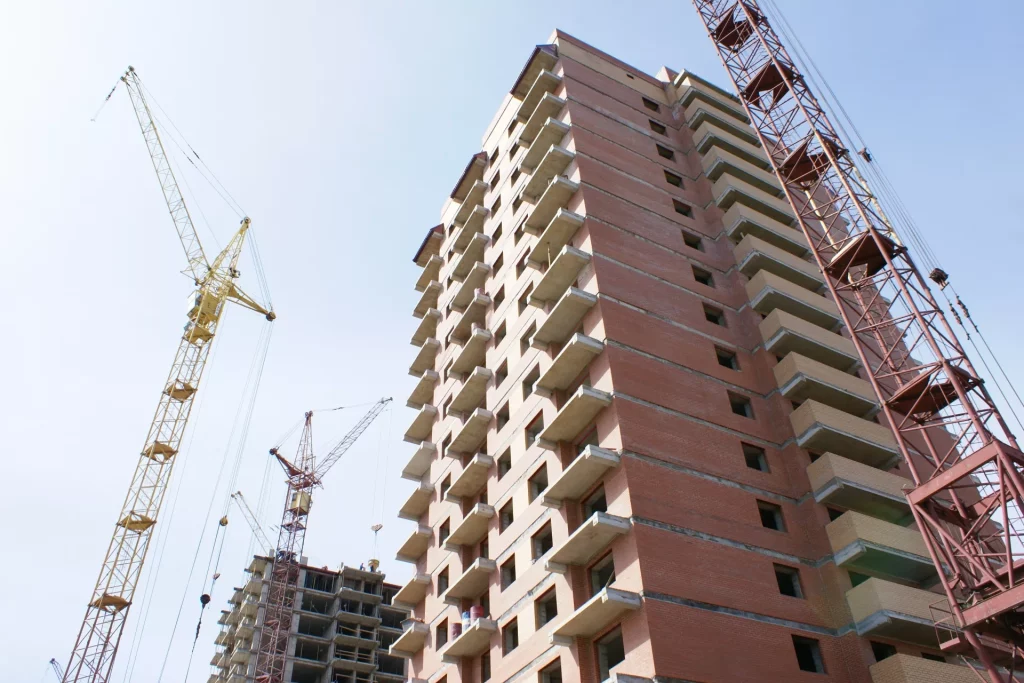
- The document defines the goals for the construction of new schools, reconstruction of existing educational institutions, and equipping them with modern equipment.
- It is also planned to provide healthcare and sports institutions with the necessary buildings and infrastructure, as well as to accelerate the repair and reconstruction of existing facilities.
- To finance these activities, a Fund for the Construction and Repair of Social Sphere Institutions is being established under the Ministry of Economy and Finance without the status of a legal entity.
Numbers and facts
- 50% of the balance of extra-budgetary funds of republican executive authorities as of January 1, 2026, including a portion of temporarily unused funds placed on deposits, will be allocated to the Fund.
- In 2025, the Fund’s funding source will be 2 trillion soums from the State Social Protection Fund under the National Social Protection Agency.
- The formation of the Fund also allows for the attraction of other sources not prohibited by law.
Context
- Financing for the construction and repair of social facilities will be concentrated in one specialized mechanism.
- This creates a basis for a more systematic renewal of schools, medical and sports institutions.
- Centralization of funds can simplify the planning and implementation of large infrastructure projects.
- The adoption of the new resolution continues this line of state policy.