Why is this important
Substituting rubbing alcohol for lotion poses a risk to household and medical disinfection, where the alcohol concentration and intended use are critical. Buyers expect a specific product and effect, but instead receive a different product without warning, which directly impacts consumer rights. In such situations, harm can be more than just financial: it also impacts safety when treating wounds, skin, and instruments.
What happened
- The Competition Committee has identified cases where pharmacies have given customers lotion instead of rubbing alcohol.
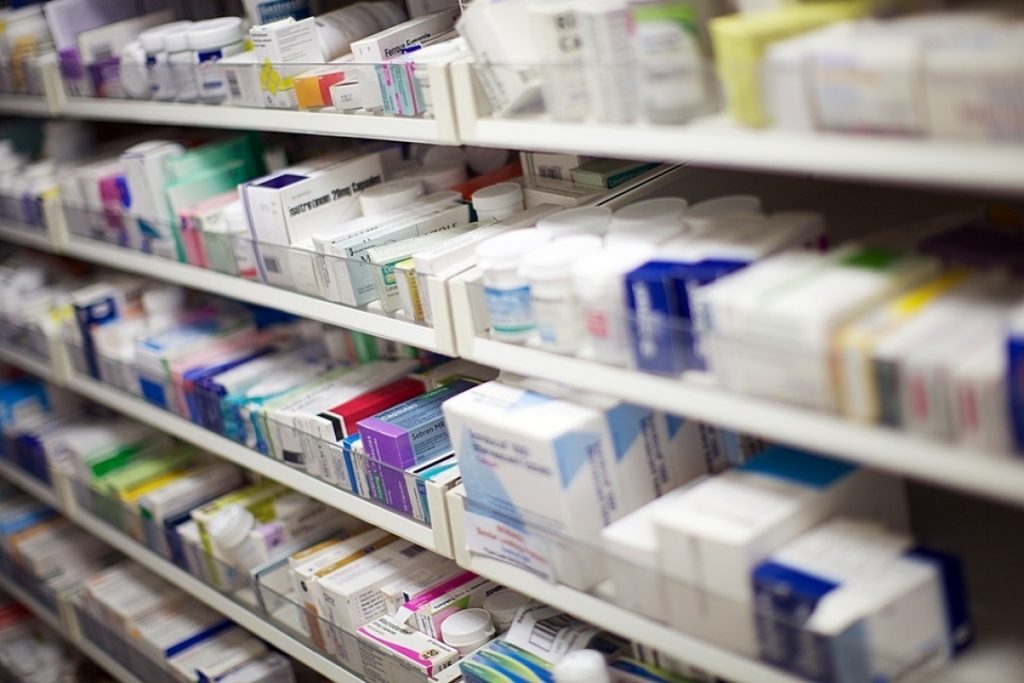
- The agency has recently received a number of complaints from citizens about the operation of pharmacies: according to them, when asking for rubbing alcohol, employees offered lotion.
- Committee staff conducted “mystery shopper” activities in more than 20 pharmacies and found that in approximately 25% of cases, pharmacists dispensed lotion instead of alcohol.
Numbers and facts
- The Competition Committee reported that mystery shopper inspections were conducted in more than 20 pharmacies.
- As a result of these measures, in approximately 25% of pharmacies, pharmacists gave consumers lotion instead of rubbing alcohol.
- Some manufacturers of medical alcohol, when GDP certificates were introduced into drug production and quality control was strengthened, did not receive new licenses and switched to lotion production.
- The committee found that pharmacy workers failed to inform consumers about the substitution, which resulted in misleading buyers.
- The agency recalled that medical alcohol (70%) is used to disinfect wounds, treat skin before injections, sterilize instruments and equipment, and during surgical operations.
- The committee emphasized that the lotion contains less alcohol than rubbing alcohol and is primarily intended to cleanse the skin, reduce oiliness, and remove makeup.
- The Committee’s press service stated that offering lotion instead of rubbing alcohol may not produce the expected results and could harm the health of consumers.
- The supervisory authority warned pharmacies about violations of consumer protection laws and about initiating legal proceedings.
- The Committee also sent a letter to the Center for Pharmaceutical Product Safety (Uzpharmkontrol) to prevent similar situations.
Context
- For shoppers, the practical takeaway is simple: check at the checkout what exactly you’re being sold (70% rubbing alcohol or lotion), and look at the product’s intended purpose, not just the packaging.
- Manufacturers who have switched to producing lotion must, in fact, be aware that their product is becoming “confused” with medical alcohol in pharmacies—and this becomes subject to regulation.