Why is this important
Reducing poverty and unemployment remains one of the key socio-economic tasks for Uzbekistan. The effectiveness of work at the mahalla level directly affects the level of income of the population, access to infrastructure, and quality of life. Strengthening targeted support allows for more accurate resource allocation and reduces social inequality.
What happened
- Shavkat Mirziyoyev was presented with information on the measures being implemented to transform mahallas into areas free from unemployment and poverty, as well as to ensure employment.
- It was noted that there are no clear criteria for evaluating the effectiveness of mahalla “seven” members’ work, therefore, the task was set to increase their responsibility for reducing unemployment and poverty.
- The President instructed to identify the problems of mahallas and their “growth points”, develop and implement systemic measures, and pay special attention to resolving citizens’ appeals directly on the ground.
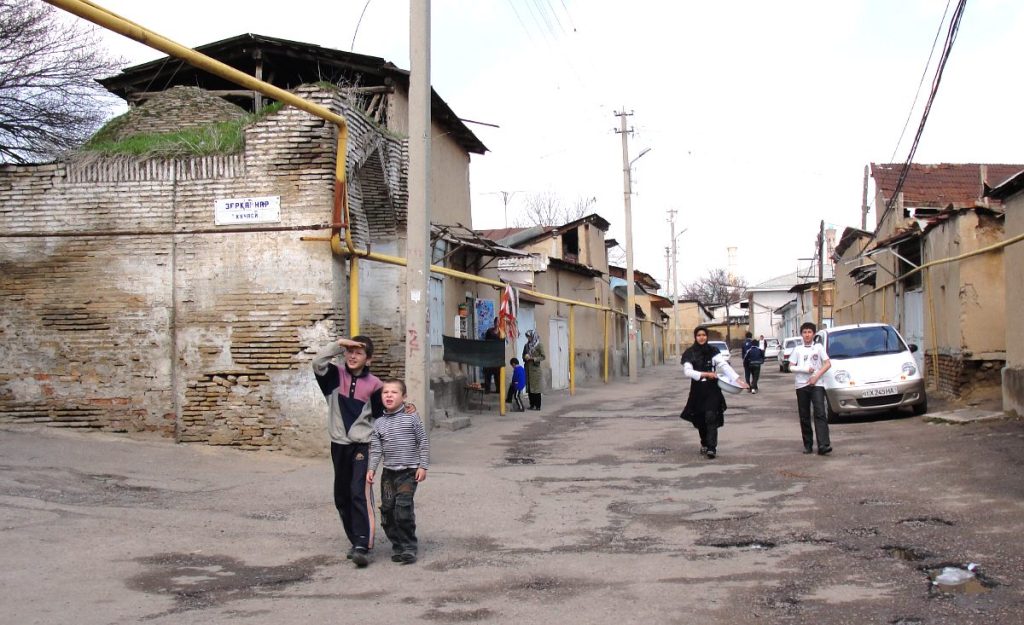
- The state of affairs in the most problematic mahallas was reviewed, and the task was set to expand access to infrastructure, electricity, internet, and household plots.
- The implementation of the 2025 employment program, the formation of a plan for 2026, and the issues of reducing informal employment were also discussed.
Numbers and facts
- By the end of this year, the poverty rate is expected to decrease from 8.9% at the beginning of the year to 6%.
- The goal has been set to increase this indicator to 4.5% by 2026.
- Within the framework of the project approach, it is planned to cover 1 million low-income citizens through various programs.
- For each low-income family, it is planned to form individual support programs based on their real capabilities and needs.
Context
- The system of working through mahallas has become a key tool of social policy in Uzbekistan in recent years.
- Through it, programs for employment, vocational training, entrepreneurship development, and targeted social support are being implemented.
- Special emphasis is placed on developing infrastructure in problematic, border, and enclave areas, as well as engaging the population in legal economic activity.