Over the past week, Uzbekistan’s authorities have adopted and announced several decisions in the areas of public administration, economy, and social sphere. The rules for public procurement were updated, zero customs duties were extended for a wide range of goods, and support measures for certain industries were expanded.
Uzbekistan and Tajikistan are expanding cargo transportation
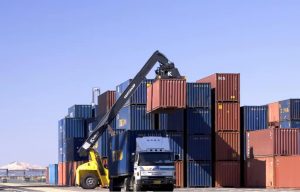
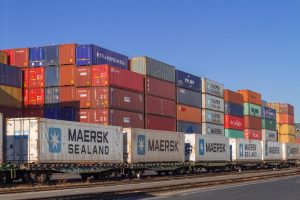
A meeting of the joint commission on the development of international road transport between Uzbekistan and Tajikistan was held in Samarkand. The parties discussed increasing the capacity of the Jartepa — Sarazm border crossing. Special attention was paid to the organization of pilot transportation on the China — Tajikistan — Uzbekistan route. The issues of digitalization of transportation permit forms and increasing their number were also considered. The discussed measures are aimed at accelerating border crossing and increasing the volume of bilateral cargo transportation. The development of the new route should strengthen the transit potential of the countries of the region.
The Central Bank of Uzbekistan introduces “secret client” inspections in banks and microfinance organizations.
The Central Bank of Uzbekistan approved the procedure for conducting “secret client” control measures for banks, microcredit organizations, and pawnshops. Inspections will be carried out by employees of the Central Bank and its regional offices without prior notification, on-site or remotely. The basis for such measures can be citizens’ appeals, publications in the media, and the results of the analysis of compliance with legislation. The control measure can last up to three days and involves the execution of all standard consumer actions by “secret clients”. Based on the results of the inspection, a report is drawn up and submitted to the organization’s management. The audited organization has 10 business days to submit objections or comments.
New taxis received access to the first line at the Tashkent airport
At the Tashkent airport, several new official taxi services received the right to approach the arrival terminal directly. Taxi Millenium, Let’s Trip, and Uzviptranservice now have the option to land at the building exit. Official carriers have introduced budgetary tariffs comparable to aggregator prices, with a minimum travel cost of 50 thousand soums. Yandex Go cars can enter the first line for free and wait for passengers for up to 20 minutes. Other aggregators’ taxis and private transport use an additional lane with a stop limit of up to 10 minutes. The new rules expand the range of passenger services and streamline transport flows at the terminal.
In Uzbekistan, more banks will be granted the right to issue social cards
In Uzbekistan, the range of banks that can issue social cards is expanding — all resident banks will receive this right, provided they comply with technical requirements. The possibility of issuing and issuing social cards by all banks is being introduced from April 1, 2026, while currently only two banks are issuing them. The launch of some of the social card features has been postponed to later dates, including the use of the card as a valid document and the receipt of benefits. The experiment on automatic VAT refund will begin on February 1, 2026, in Tashkent and Yangiyul district, and will be extended to other regions from July. The provision of benefits, payments, subsidies, grants, and social services through social cards will also begin in stages from July 2026. The postponement of the deadlines is due to the need to gradually implement a large-scale reform of the social support system.
Fruit and vegetable exports from Uzbekistan increased by 36.8%
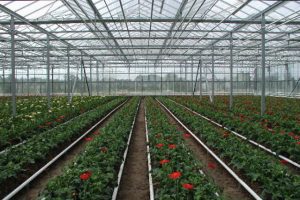
Uzbekistan’s fruit and vegetable exports for January-November amounted to 2 million tons worth $1.9 billion, an increase of 36.8% compared to last year. The share of fruit and vegetable products in the total volume of the country’s exports reached 6.3%. The main volume came from fruits and berries, vegetables, as well as watermelons and melons. The increase in supplies is linked to the expansion of sales markets and improved logistics.
South Korea reduced E-9 visa quotas for foreign workers
The South Korean government has reduced the quota for attracting foreign unskilled workers for E-9 visas for 2026 to 80 thousand people. This is almost 40% lower than the 2025 level and half lower than the 2024 indicator. Quotas have been redistributed among sectors, with some visas remaining in reserve, and the permissible share of foreign workers has been increased for companies outside major cities. The decision may reduce labor migration opportunities for Uzbek citizens against the backdrop of job losses in industry and construction.
Uzbekistan extends zero import duties for another year
Uzbekistan extended the zero rates of customs duties on the import of food and a number of other socially significant goods until January 1, 2027. The decision applies to a wide range of products – from meat, dairy products, vegetables, and fruits to clothing, footwear, and personal hygiene products. Import from countries without the most-favored-nation regime will also not be subject to double customs duties. At the same time, the procedure for changing the list of goods falling under the zero rate has been established.
In Uzbekistan, tariffs for charging stations and silk equipment will be abolished for two years
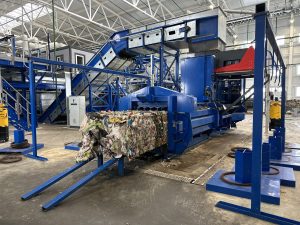
A decree on supporting certain sectors of the economy and meeting the population’s needs for consumer goods has been signed in Uzbekistan. Imported electric vehicle charging stations, their components, as well as spare parts for silk industry equipment and planting material, are exempt from customs duties for 2026-2027. For waste management enterprises, reduced profit tax and social tax rates of 1% have been established until January 1, 2031, subject to the established conditions. The measures are aimed at reducing costs, supporting infrastructure projects, and stimulating investments in priority sectors.
Uzbekistan to Radically Reform Its Public Procurement System: 80% to Be Conducted Through Competitive Procedures by 2030
A decree on reforming the public procurement system with a focus on competition and transparency has been signed in Uzbekistan. By 2030, the share of competitive procedures is planned to increase to 80%, and total savings to 25 trillion soums. From January 1, 2026, the list of procurements under direct contracts is canceled, and the requirements for the publication and discussion of procurement documentation are tightened. From March 1, 2026, an AI module for assessing average market prices and risks should be launched on the public procurement portal.