Why is this important
Uzbekistan’s involvement in the international Middle East initiative increases the country’s foreign policy involvement in major negotiation formats and can influence its role in international coalitions. The status of the founding state in the new structure means a higher level of obligations and political responsibility than simply participating “on invitation”. For Tashkent, this is also a matter of reputation and diplomatic positioning: participation in the mechanism approved by the UN Security Council resolution formally binds the initiative to the international legal framework.
What happened
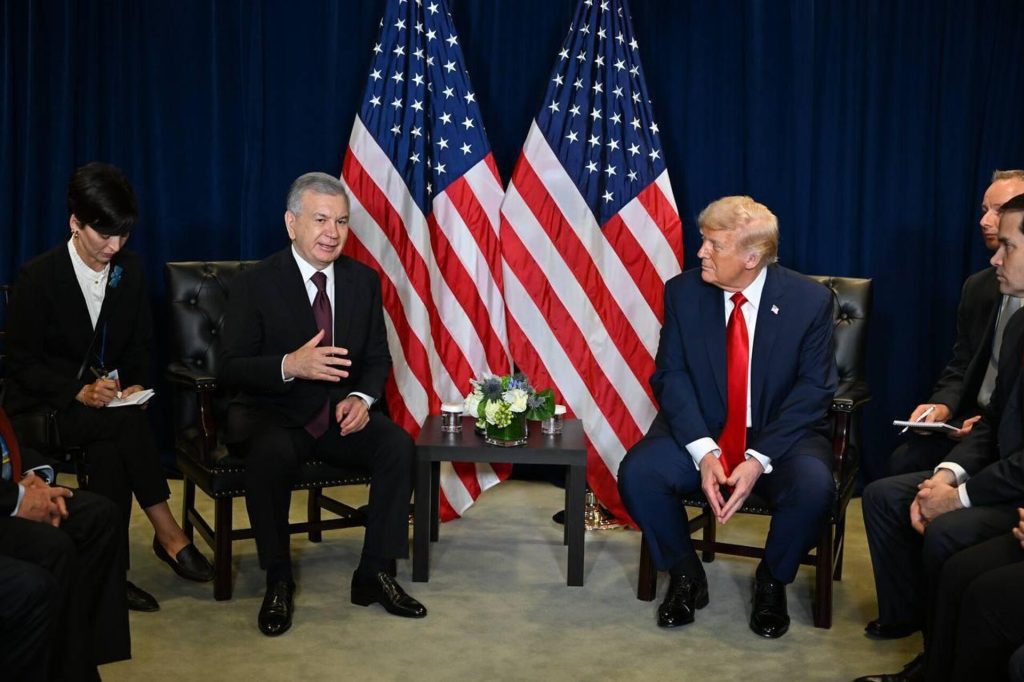
- Shavkat Mirziyoyev received an official invitation from US President Donald Trump to join the international initiative to strengthen peace in the Middle East and resolve conflicts, the press service of the head of state reported.
- The report states that a key element of the initiative is the establishment of the Peace Council as a new international structure, and Uzbekistan has been invited to join it as a founding state.
- Shavkat Mirziyoyev sent a response letter to Donald Trump, expressing Uzbekistan’s readiness to join the council.
Numbers and facts
- The initiative, as stated in the report, is based on the Comprehensive Plan to End the Conflict in Gaza, announced on September 29, 2025.
- The plan was supported by world leaders and approved by UN Security Council Resolution No. 2803 of November 17, 2025.
- A key element of the initiative is the creation of the Peace Council — a new international structure for uniting states ready to take responsibility for the formation of long-term peace, stability, and security.
- Uzbekistan was invited to join the Peace Council as a founding state.
- According to the press service, Shavkat Mirziyoyev sent a response letter to Donald Trump expressing Uzbekistan’s readiness to join the council.
Context
- For Uzbekistan, consent to join the Peace Council as a founder establishes participation not at the “observation” level, but at the format level, where specific commitments and regular interaction are expected.
- This can expand Tashkent’s diplomatic tools in relations with key players, but at the same time increases sensitivity to the development of the situation around the initiative itself and its perception by other countries.
- Internally, this will be perceived as strengthening Uzbekistan’s international role in security and mediation matters.