Why is this important
The formation of a portfolio of joint projects worth over $12 billion indicates the transition of Uzbek-Japanese relations from individual initiatives to systemic long-term cooperation. Japan is considered by Uzbekistan as one of the key technological and investment partners capable of supporting the modernization of the economy and the introduction of high management standards.
What happened
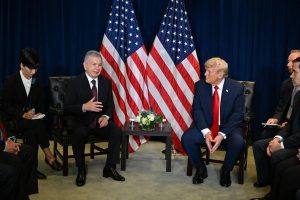
- Shavkat Mirziyoyev and Japanese Prime Minister Sanae Takaichi held talks in Tokyo on deepening the strategic partnership between the two countries.
- To promote joint projects, it was proposed to create an Uzbekistan-Japan investment platform.
- The parties supported plans to create a special economic zone based on the Japanese model in the Samarkand region.
- An agreement was reached on the expansion of the “One Village — One Product” program, implemented jointly with Japanese partners.
- Following the negotiations, a Joint Statement on Enhanced Strategic Partnership for the Next Generation was signed.
Numbers and facts
- The total value of the formed portfolio of cooperation projects exceeds $12 billion.
- The portfolio was prepared as part of preparations for the first summit of the “Central Asia + Japan” format.
- During the visit, a package of agreements covering the spheres of education, healthcare, ecology, water resources, transport, urban planning, tourism, agriculture, and disaster risk reduction was adopted.
Context
- The formed portfolio of projects creates a basis for the inflow of long-term investments and the transfer of Japanese technologies to key sectors of the Uzbek economy.
- The creation of a special economic zone according to Japanese standards can become a platform for implementing new production and management practices.
- The expansion of cooperation in education, culture, and interregional contacts indicates the parties’ desire to build not only economic but also humanitarian partnerships with a long-term perspective.