Why is this important
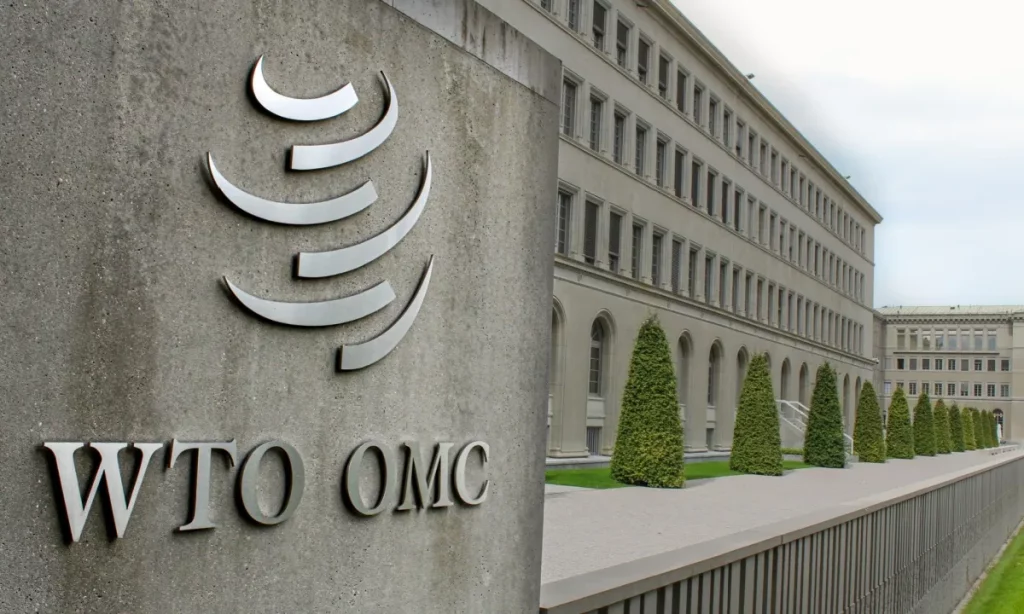
The completion of negotiations on joining the World Trade Organization means that Uzbekistan has transitioned to more predictable and formalized rules of international trade. WTO membership directly affects the conditions for Uzbek goods and services to enter foreign markets, as well as the country’s investment attractiveness. The final stage of negotiations indicates the transition from political statements to institutional consolidation of trade reforms.
What happened
- The President’s spokesperson for the WTO, Azizbek Urunov, summarized the results of 2025 and described it as a crucial stage in the country’s accession process.
- Uzbekistan only needs to complete bilateral negotiations with one country to join the WTO.
- Also, according to him, out of 34 WTO member countries, Uzbekistan has completed market access negotiations with 33 states, and only one round remains unfinished — with Taiwan.
Numbers and facts
- During 2025, Uzbekistan held more than 40 rounds of bilateral negotiations and numerous meetings of the working group on joining the WTO, during which more than 200 issues were considered.
- During the year, the country adopted 30 legal acts related to the implementation of WTO requirements, including 4 laws, 8 presidential decrees and resolutions, 12 Cabinet of Ministers resolutions, and 6 departmental regulatory documents.
- Authorities are also preparing another 29 draft regulatory documents covering customs regulation, export duties, trade protection measures, intellectual property protection, technical regulation, sanitary and phytosanitary measures, and technical barriers in trade.
- According to the president’s spokesperson for the WTO, the country has made significant progress in the graphs of obligations regarding goods and services and has moved to the consolidation stage.
Context
- The actual completion of bilateral negotiations means that the main volume of foreign trade conditions for joining the WTO has already been agreed upon.
- The next process will focus on finalizing legislation and formalizing obligations.
- This strengthens the predictability of economic policy and reduces regulatory risks for external partners and investors.