Why is this important
Expanding exports to Middle Eastern markets creates new sources of foreign currency revenue for Uzbek businesses and reduces dependence on traditional trade destinations. Iraq and Syria represent markets with high demand for imported products and a relatively low level of competition. The formation of sustainable logistical and business ties in this region can become the basis for the long-term growth of non-resource exports.
What happened
- The Chairman of the Chamber of Commerce and Industry of Uzbekistan, Davron Vahabov, reported that significant export opportunities have opened up for Uzbek businesses in the markets of Iraq and Syria.
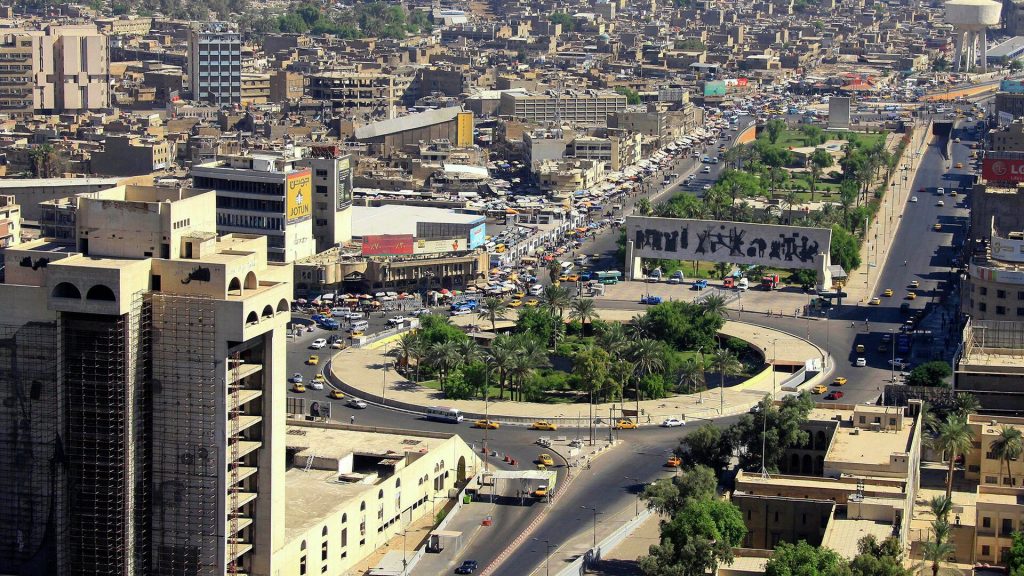
- According to him, Iraq has a great need for imports, and Uzbek products can occupy a significant niche in this market.
- The city of Erbil was identified as a key logistics and trade hub, which is used as a hub for supplying goods to Iraq and neighboring states, including Syria.
- The export potential of the Syrian market and the prospects of using Iraq and Syria as transit destinations for supplies to other countries of the region were also noted.
Numbers and facts
- The annual volume of Iraqi imports is estimated at $93 billion, with potential deliveries of Uzbek products potentially reaching $1 billion against the current $50 million level.
- According to the head of the Chamber of Commerce and Industry, with active work, exports from Uzbekistan to Iraq could reach $500 million in 2026.
- In the Syrian market, Uzbek entrepreneurs can export $100 million to $150 million worth of products within the next year.
- Delivering a truck with electronics to Baghdad takes about 10 working days and costs around $3,300, while the journey to Damascus takes about 20 days and costs around $4,500.
Context
- The declared export parameters indicate the possibility of a multiple increase in the supply of Uzbek products to new markets. Relatively understandable logistics and the presence of regional hubs create conditions for rapidly expanding trade. For businesses, this means expanding the geography of sales, and for the economy — additional export potential and growth in foreign trade revenues.
- In the coming months, visits of Iraqi and Syrian entrepreneurs to Uzbekistan are expected to coordinate the terms of cooperation and organize export deliveries.