Why is this important
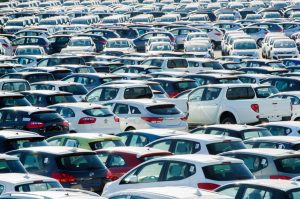
The transport system directly affects the city’s economy, population mobility, ecology, and safety. Traffic jams in Tashkent lead to time loss, increased fuel consumption, deterioration of air quality, and increased accidents. The integration of transport systems with environmental monitoring strengthens emission control and creates a more sustainable urban environment. Comprehensive traffic management allows not only to reduce traffic jams but also to increase the efficiency of the city’s infrastructure as a whole.
What happened
- A large infrastructure program is planned for streets, intersections, and intersections in Tashkent.
- A special fund for road and transport infrastructure is being established.
- The length of the metro line is planned to be increased by almost 1.5 times – from 70.5 to 103 km.
- As a legal experiment, the Road Safety Center will receive a number of powers in the road and transport sector from other government bodies until 2028.
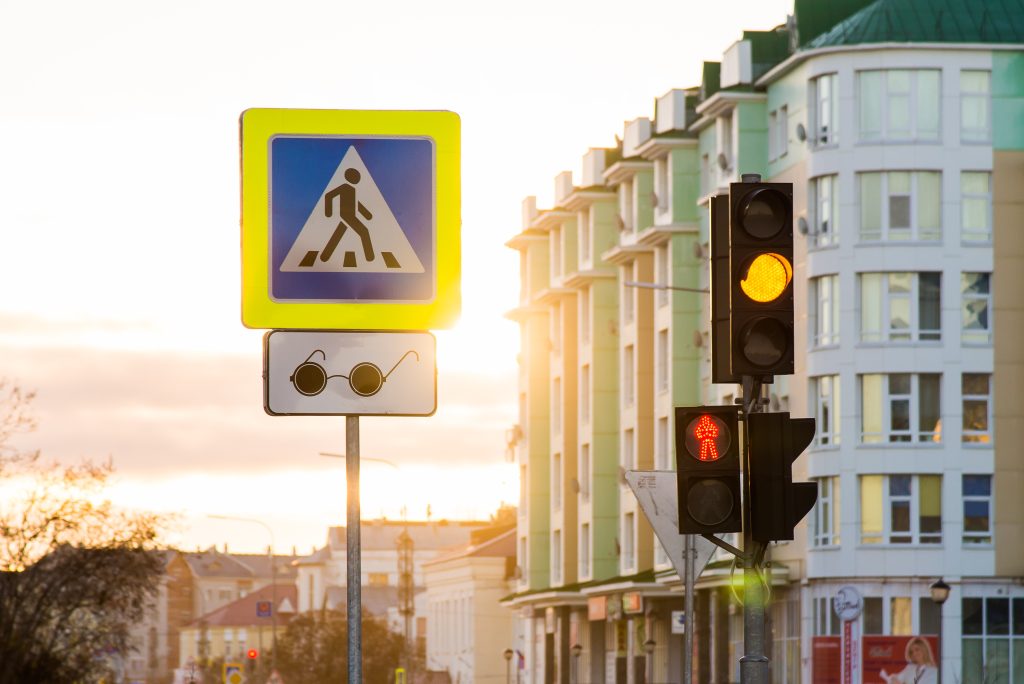
- All cameras, sensors, traffic lights, public transport monitoring systems, navigation, weight and dimensions control will be connected to a single digital platform based on ITS.
- The ITS will be integrated with the Situational Center of the Ecology Committee.
New system
- By 2030, it is planned to increase the share of trips to Tashkent by public transport to 60%, and the average speed of buses — from 18 to 24 km/h.
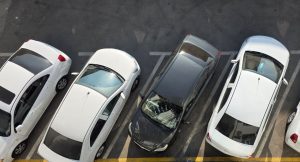
- 150 thousand organized parking spaces will be created in the city, including parking spaces under metro lines and overpasses, multi-story parking lots near metro stations and bus stops.
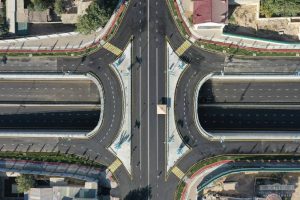
- By 2030, goals have been set to build 16 new tunnels and overpasses, repair 1,000 km of roads, create 700 “smart” intersections, and equip 170 km of bicycle paths and 200 km of pedestrian paths.
- Based on the ITS, a system will be created for automatic assessment of transport compliance with environmental standards, which will be able to identify vehicles that do not comply with the environmental zone.
- The special fund’s resources will be used to finance infrastructure projects, modernize bus lanes and traffic lights, create a transport master plan, prepare new engineering solutions, and ensure the operation of the ITS.
Context
- In recent years, the metro, bus services, and road infrastructure have been actively developing in the capital.
- In many large cities, intelligent transport systems are used as the foundation for combating traffic jams and improving traffic safety.
- Intercept parking is used as an element of the policy to restrict the entry of private vehicles into central areas.
- The transport development of Tashkent will transition to a systemic, technological level.