Why is this important
The development of specialized shopping complexes creates new infrastructure for businesses and makes goods more accessible to the population. Such projects are directly linked to the growth of the construction sector and demand for materials. The emergence of centralized marketplaces equipped with digital tools increases transparency in trade and reduces costs for market participants. For the city, this also means job creation and the development of the business environment.
What happened
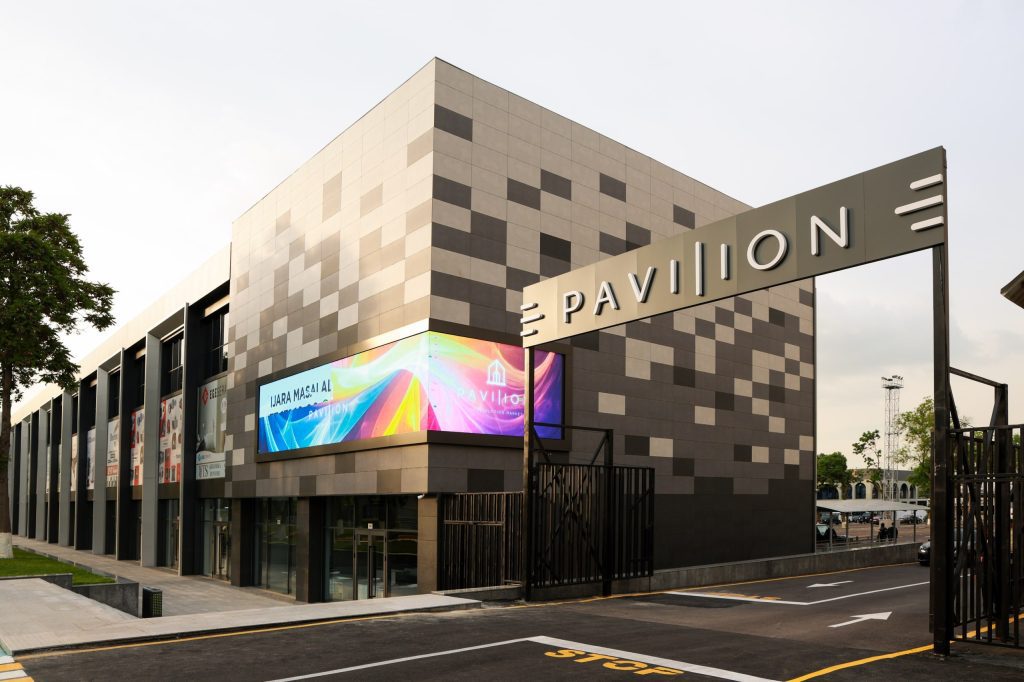
- Shavkat Mirziyoyev visited the new Pavilion shopping complex built in the Mirzo-Ulugbek district of Tashkent.
- The head of state was presented with information about the project and its capabilities, after which he reviewed stores offering construction materials.
- During the visit, it was noted that the complex should become a modern trading platform and set new standards in quality, service, and the organization of trade.
Numbers and facts
- A total of $25 million was invested in the construction of the Pavilion complex; it is located on a 4.6-hectare site, with a total built-up area of 42,000 square meters; the территории includes parking for 1,000 cars and has created 2,000 jobs.
- The complex includes 500 retail outlets and is designed to serve up to 3 million visitors per year.
- The complex is equipped with a video surveillance system comprising 500 cameras, and information on product availability and prices will be accessible through a unified electronic platform, which is expected to ensure transparency in trade and convenience for users.
Context
- For businesses, this creates a centralized площадку with high foot traffic and ready infrastructure for trading construction materials.
- Consumers gain more convenient and transparent access to a wide ассортимент of products and prices in one place.
- For the city, the project means new jobs and the development of the commercial environment in the area.
- In a broader sense, such complexes can change the format of trade and strengthen the position of local manufacturers.