Why is this important
Negotiations with one of the largest fashion companies in Central and Eastern Europe demonstrate Uzbekistan’s commitment to expanding cooperation with international brands and strengthening its position in the textile industry. For the country, this could mean attracting new investments, developing local manufacturing, and expanding export opportunities. At the same time, cooperation with major retailers creates additional opportunities for Uzbek manufacturers to integrate into international supply chains.
What happened
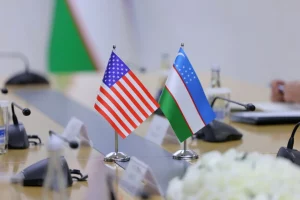
- With the support of the Embassy of Uzbekistan in Poland, an online meeting was held between Deputy Minister of Investment, Industry and Trade of Uzbekistan Akram Aliyev and Deputy Chairman of the Management Board of the Polish company LPP S.A. Slavomir Loboda.
- The negotiations were also attended by Ambassador Amirsaid Agzamkhodjaev, Director of the Uzbek Agency for Technical Regulation Akmal Jumanazarov, as well as representatives of the Tashkent regional administration.
- The parties discussed prospects for expanding cooperation, establishing production facilities in Uzbekistan, attracting global brands, and implementing new investment projects.
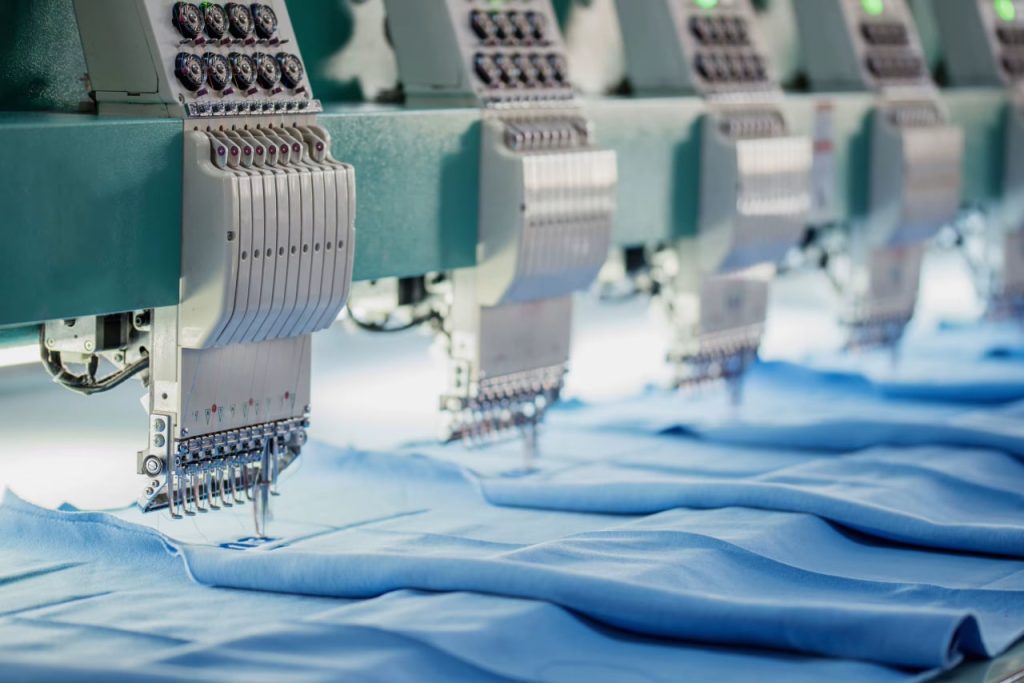
- Special attention was paid to developing cooperation in the textile industry and organizing visits by representatives of Polish companies to Uzbekistan in order to establish direct contacts with manufacturers.
Numbers and facts
- LPP S.A. was founded in 1991 in Gdańsk and is considered one of the largest fashion companies in Central and Eastern Europe.
- The company’s portfolio includes the brands Reserved, Cropp, House, Mohito, and Sinsay.
- By the end of 2025, the company’s turnover amounted to approximately €6.5 billion.
- The LPP network includes more than 3,400 retail stores operating in over 40 countries worldwide.
- During the negotiations, the parties discussed issues related to localizing production in Uzbekistan and expanding cooperation with local textile manufacturers.
- The sides also reviewed the implementation of previously reached agreements and considered prospects for new investment projects.
Context
- For Uzbekistan’s textile industry, cooperation with a major international fashion company could open additional sales channels and increase the interest of foreign brands in local manufacturing.
- This also creates opportunities to expand export potential and gradually move toward producing goods with higher added value.
- For foreign retailers, Uzbekistan remains attractive due to its raw material base, the development of its textile industry, and its growing manufacturing potential.
- Discussions on production localization and direct cooperation with manufacturers demonstrate the parties’ interest not only in supplying finished products, but also in establishing long-term industrial cooperation.