Why is this important
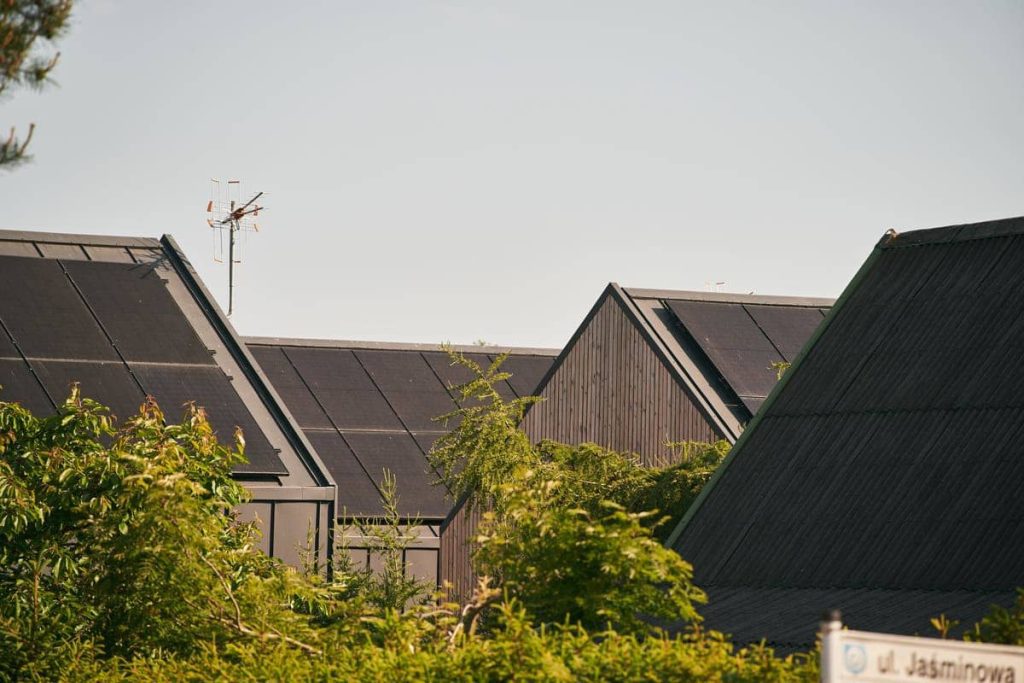
The growth in payments under the “Solar Home” program shows that household solar panels in Uzbekistan are gradually becoming a mass source of additional income for the population. The increase in the number of subsidy recipients and the volume of electricity supplied to the grid indicates the expansion of distributed generation and a reduced burden on the traditional energy system. At the same time, the program is stimulating demand for solar panels in regions where households and businesses are more actively investing in alternative energy.
What happened
- From January to March 2026, 45,200 residents of Uzbekistan received subsidies for supplying electricity from household solar photovoltaic panels to the national grid, the Tax Committee reported.
- Compared with the same period in 2025, the number of subsidy recipients increased 3.5 times.
- The highest number of participants in the “Solar Home” program was recorded in March — 44,700 people.
Numbers and facts
- The total volume of subsidies under the “Solar Home” program in the first quarter of 2026 amounted to 73.98 billion soums.
- Compared with January–March of last year, the volume of payments increased more than ninefold.
- Bukhara region became the leader in subsidy volume with 16.53 billion soums, accounting for 22.3% of all payments nationwide.
- Khorezm region ranked second with 13.29 billion soums.
- At the same time, in March the region moved into first place in monthly payments — 9.37 billion soums compared with 9.32 billion soums in Bukhara region.
- Kashkadarya region ranked third with 9.1 billion soums in subsidies, of which 4.94 billion soums were paid in March.
- The top five regions by subsidy volume also included Karakalpakstan — 7.63 billion soums and Navoi region — 5.97 billion soums.
- Bukhara region showed the highest year-on-year growth in subsidy volume — 23.8 times.
- Among the regions with the highest growth rates were also Kashkadarya region — 18.9 times and Samarkand region — 12.5 times.
Context
- For the population, the program is becoming not only a way to reduce electricity costs, but also an additional source of income through selling excess energy to the grid.
- The active growth of payouts in the regions shows that interest in household solar stations is moving beyond major cities and becoming a visible factor in the regional energy market.
- For the energy system, this means a gradual increase in the share of distributed generation, especially in the country’s sunny and agricultural regions.
- At the same time, the growth in subsidies may lead to a further increase in demand for solar energy equipment and installation services.